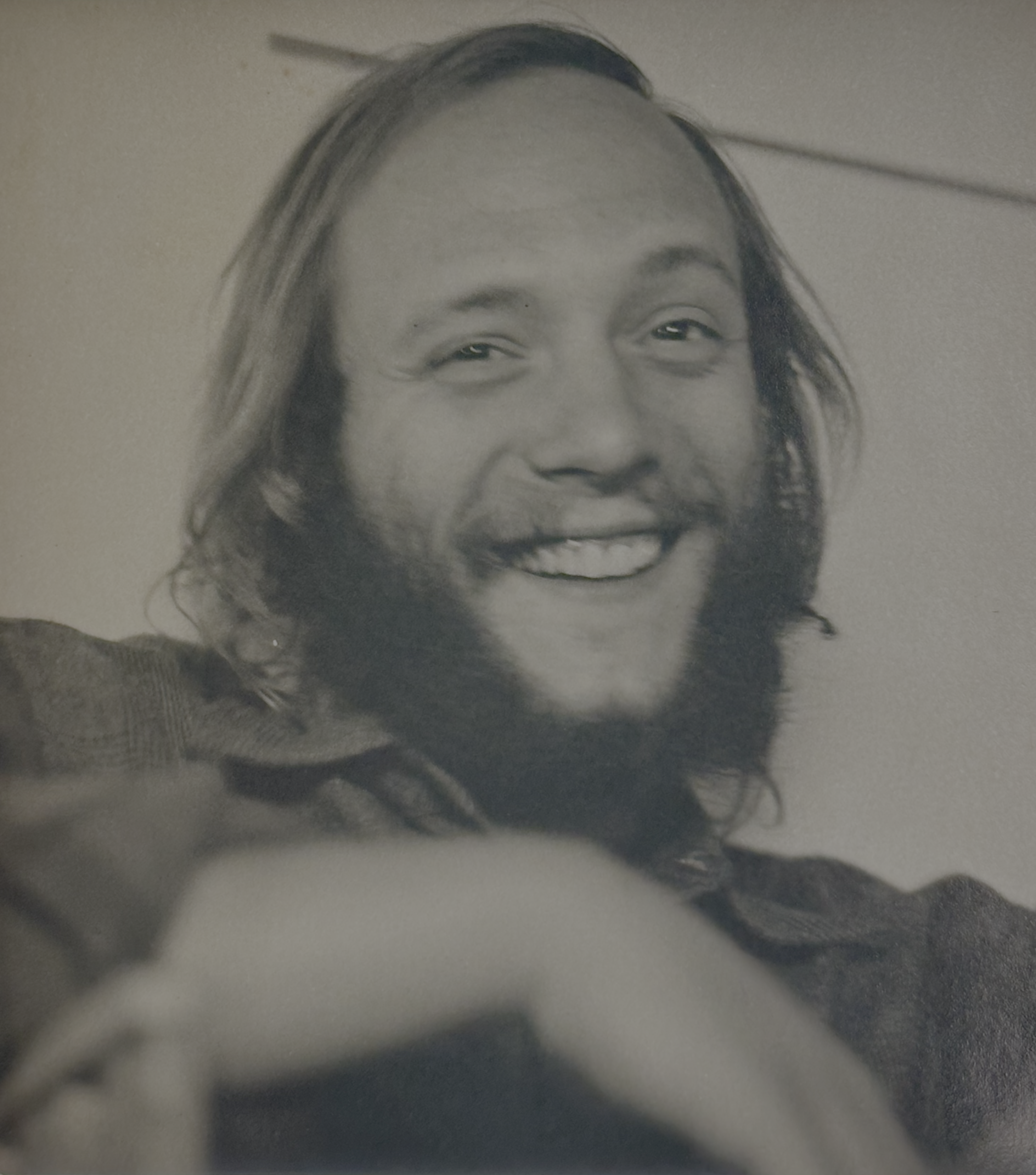
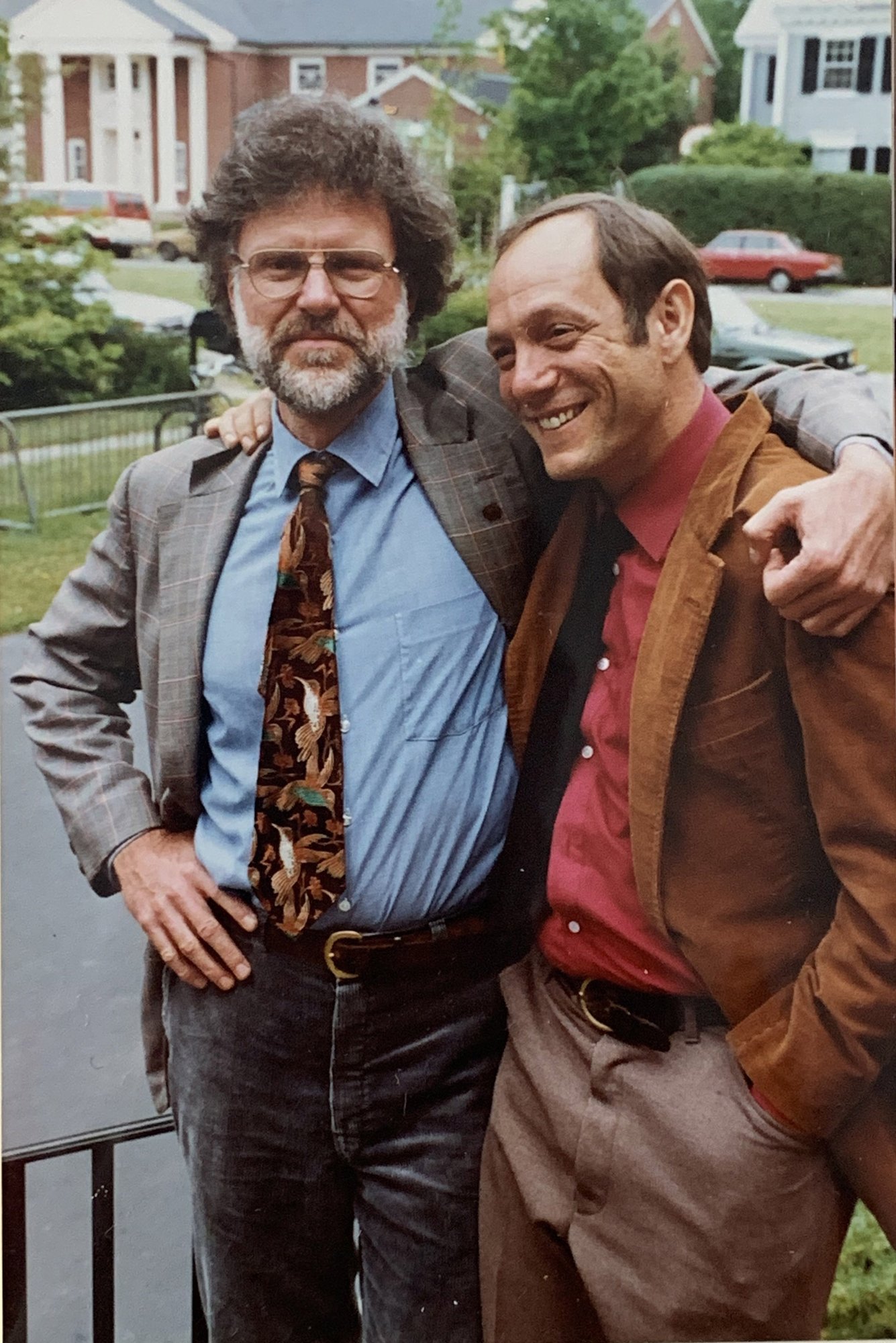
Cliff Harrison
A Life Lived in Relentless Search of Truth
A Life of Spiritual Intensity, Courageous Engagement, and Relentless Peacemaking Cliff Harrison lived his life as someone who believed that faith was not an idea — it was an active force. He was a devoted member of the Religious Society of Friends (Quakers) and a powerful presence within New England Yearly Meeting for decades.
But Cliff was not interested in influence for its own sake. He was interested in truth — especially truth that required courage.
A Voice for Authentic Spiritual Depth
Cliff believed that spiritual life required rigor. He was deeply rooted in core Quaker convictions:
• That individuals need no intermediary to experience God.
• That revelation is continuing.
• That equality, simplicity, and truth-telling are not ideals but daily disciplines.
• That “no outward wars and strife” can ultimately lead to healing.
• He believed that truth was not found in titles, institutions, or credentials — but in the Spirit.
For Cliff, this was not theory. It was a standard he applied to himself and to others.
A Relentless Advocate for Peacemaking
Cliff’s writings during times of war reveal a man who was unwilling to accept simple narratives. During the Gulf War, he joined others in challenging the rush to violence, urging thoughtful examination, moral humility, and reconciliation He did not excuse injustice — he condemned it clearly — but he resisted hatred and dehumanization. He called for open-hearted dialogue and warned that continued hostility brutalizes all sides.
In later reflections on conflict and peacemaking, Cliff and his community reaffirmed a 350-year-old Quaker declaration to “utterly deny all outward wars and strife and fighting with outward weapons” He asked whether violence ever truly builds healthier communities and urged citizens and leaders alike to “try what love will do.”
He believed that peacemaking was not passive. It required moral courage, self-examination, and persistence.
Leadership and Community Life
Cliff played a significant role in discussions about how faith communities functioned and flourished. In reports and discernment work at Friends Meeting at Cambridge, he emphasized:
• The importance of effective administration to support spiritual vitality.
• The need for clarity in pastoral care and accountability
• A belief that leadership should be consultative rather than hierarchical.
• That spiritual authority rests not in power but in deep listening
He wanted institutions to work — not for efficiency alone, but so that spiritual life would not be stifled by confusion or passivity. He was convinced that communities decline when leaders fail to examine their own hypocrisy or resist genuine spiritual engagement.
A Man of Intensity — and Invitation
Cliff was not timid. He challenged leaders directly. He questioned spiritual complacency. He pushed for deeper engagement. He sometimes did so in ways that created friction. In correspondence with other influential Quaker leaders, Cliff openly acknowledged tension and invited “engagement” rather than avoidance. Even in disagreement, he expressed hope for friendship and dialogue. He believed that longer prayer led to deeper understanding. He believed that difficult conversations were spiritually necessary. He described himself as someone called to challenge “the leadership of the nice people on this planet” when sincerity was not matched by depth.
.
Those who knew him experienced both his intensity and his sincerity. He did not seek comfort; he sought growth — in himself and in others.
A Spiritual Standard Applied First to Himself
Cliff often returned to the Quaker admonition: “Find your own hypocrisy first — wait in the Spirit.”
.
He wrestled publicly and privately with how much of one’s life is truly under God’s control. He acknowledged his own imperfections while insisting that spiritual depth required continuous effort and examination.
.
He believed perfection was possible — but only God could judge it. That humility before ultimate judgment lived alongside his boldness in earthly matters.
His Legacy
Cliff Harrison leaves a legacy of:
• Uncompromising spiritual seriousness
• A lifelong commitment to nonviolence
• A belief in dialogue over coercion
• A conviction that institutions must serve Spirit, not the other way around.
• A willingness to risk misunderstanding in pursuit of depth
He believed that human progress comes when we “just start/try again when we fall short.”
His life was not one of quiet agreement. It was one of engagement.
He asked much of others because he asked much of himself.
— Dave Harrison